You have probably owned merch before, even if you never called it that, like the hoodie from a festival years ago, the water bottle with a company logo that became the one you reach for, or the tote bag you carry everywhere.
Somewhere along the way, “merch” stopped being industry jargon and became a word people use without thinking, a small badge of the brands, bands and communities they want to be associated with.
So what does the word actually mean, and why has it quietly replaced older terms like “swag” and “giveaways”? Merch is one of the simplest, most effective forms of branded merchandise, and this is a plain-English guide to what it is, how it differs from merchandise and swag, the main types you will come across, and how businesses use it to stay useful and stay remembered.
What Does “Merch” Mean?
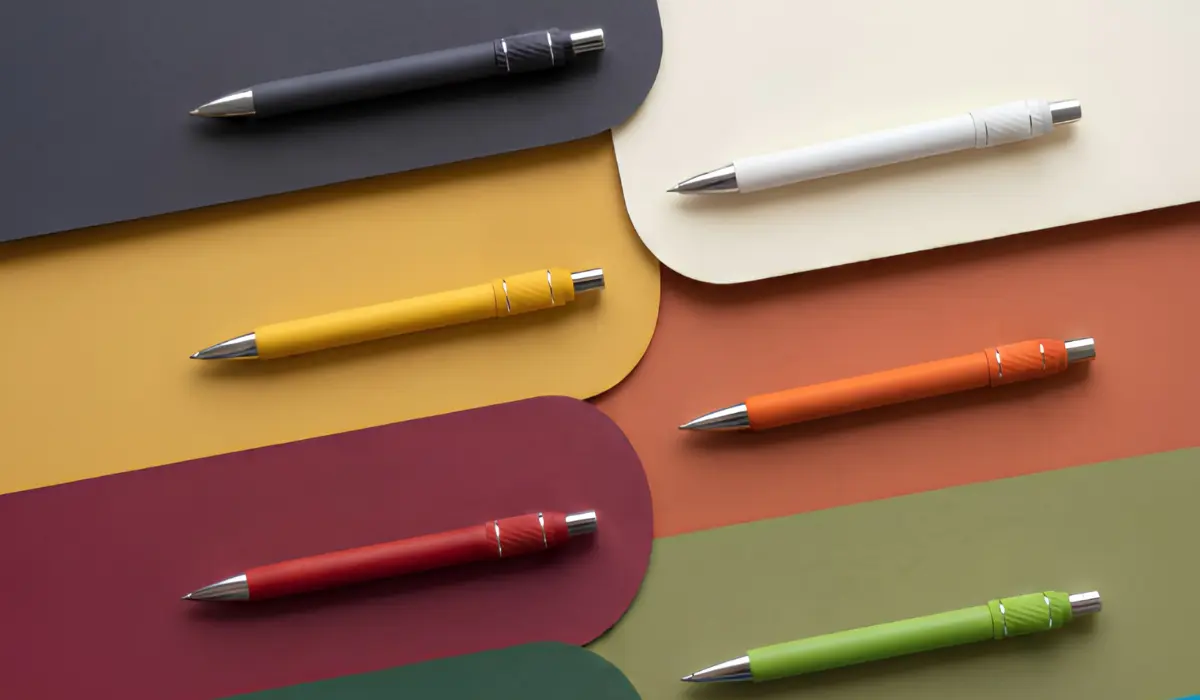
Merch is short for “merchandise.” In day-to-day use, it refers to branded products such as apparel, drinkware and tech accessories that carry a logo, message or identity people are happy to wear, use or display.
The key word is want. Merch is not just any branded item. It is a product with real quality, usefulness or design appeal, something someone chooses to wear, use or display.
The term grew out of music culture, where “band merch” meant the t-shirts and posters fans bought at gigs to show they belonged, and that sense of belonging carried across into the wider world.
Today, a company, a creator, a cause or an event can all have merch, and in every case it means the same thing, something branded that people are happy to own.
Merch vs Merchandise vs Swag vs Promotional Products
People often use these four terms interchangeably, but they carry different shades of meaning, and knowing the difference helps you brief a campaign properly.
- Merchandise is the formal umbrella term. It simply means goods or products of any kind.
- Merch is the casual, culturally loaded shortening. It implies branded products that people want, with desirability built into the word itself.
- Swag usually means free giveaways handed out at events or trade shows, and is often said to stand for “Stuff We All Get.” That name hints at the catch, since when everyone gets one, no single piece feels special, though the right swag ideas for brands can still pull their weight.
- Promotional products is the industry term used by suppliers and marketers for branded items used as a marketing tool. It is the trade name for the whole category.
Here is how they line up:
| Term | What it means | Who tends to use it | Kept or discarded? |
|---|---|---|---|
| Merchandise | Any goods or products | Retailers, formal writing | Depends |
| Merch | Branded product people want to own | Consumers, marketers, creators | Kept |
| Swag | Free giveaways, often at events | Event marketers | High risk of being discarded |
| Promotional products | Branded items used in marketing | The industry and suppliers | Depends on quality |
The shift from “swag” to “merch” reflects a real change in how brands approach these products, moving away from giving something away and towards creating something people want to keep.
The Main Types of Merch
Merch is not one thing, but a few distinct categories, and the right type depends on who it is for and why.
Corporate and branded merch
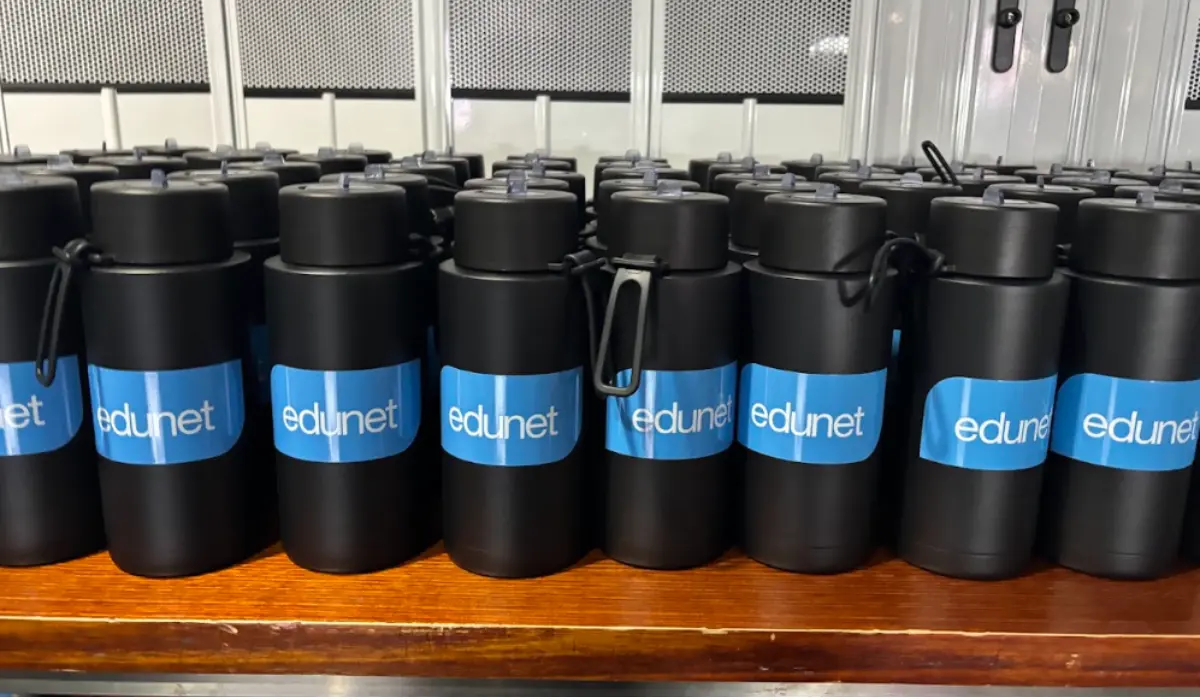
This is a branded product created by businesses, including apparel, drinkware, tech accessories, notebooks and bags, for staff, clients, partners and prospects. It is the largest and most versatile category, and it is where most companies focus.
It shows up everywhere, from apparel and drinkware to the kind of promotional merchandise ideas worth remembering.
Event and trade-show merch
Merch tied to a moment, such as a conference, an activation or a product launch. The goal is to turn a fleeting interaction into something a person values, which is where trade-show giveaways that drive meetings matter more than event products people forget.
Band, creator and influencer merch
The cultural origin of the word. Musicians, YouTubers and influencers sell merch as both a revenue stream and a way for fans to signal they belong. It is smaller in a corporate context, but it is worth understanding, because the “people choose to buy this” bar it sets is exactly the standard good corporate merch now aims for.
Cause and nonprofit merch
Mission-driven organisations often use merch to build community and carry a message, and many choose meaningful or sustainable merchandise so the product reflects what they stand for.
What Makes Something “Merch” and Not Just a Giveaway
What separates merch from a forgettable freebie is desirability, because a logo alone does not make something merch, it is defined as much by whether someone wants it as by what is printed on it.
Good merch is useful, so it becomes part of someone’s day. It is well made, so the quality reflects the brand behind it. And it is designed with intent, so the logo works with the product instead of being slapped on top. The simplest test is to ask whether someone would choose this if it were not free. If yes, you have merch. If no, you have a landfill with a logo.
Why Brands Invest in Merch
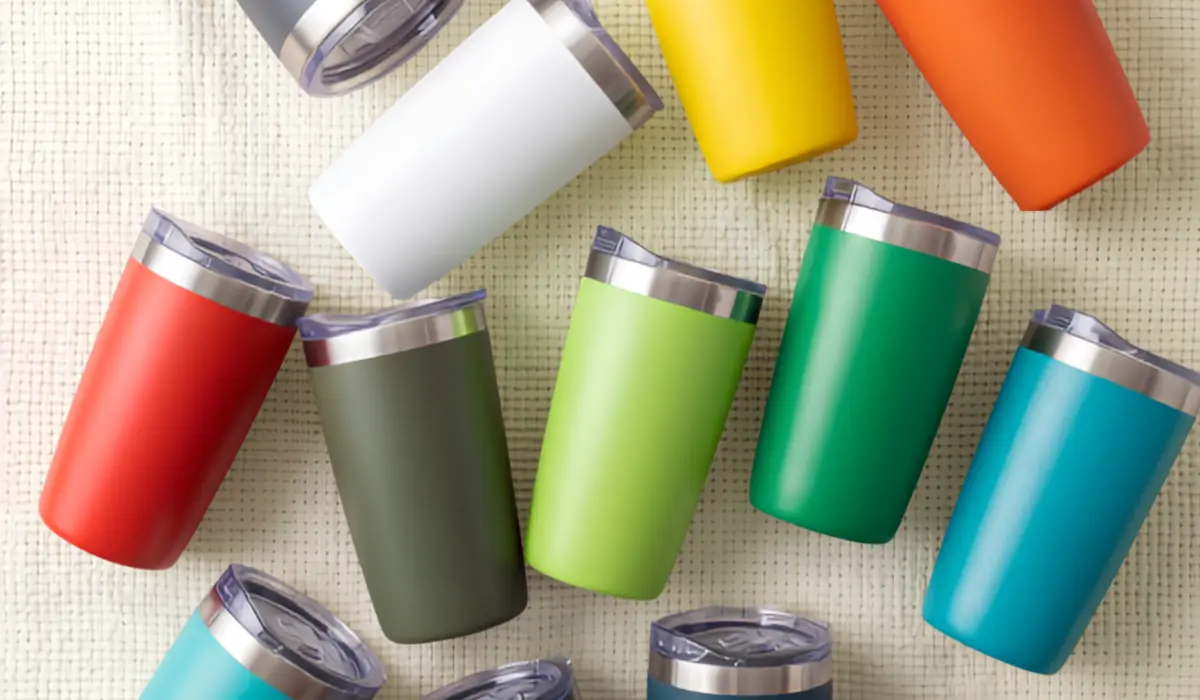
Good merch keeps working for months, sometimes years, after it is handed over, and it delivers three things at once.
- Visibility: branded items people carry and wear act like small, mobile billboards.
- Loyalty: a useful, well-made product builds goodwill and a sense of belonging.
- Longevity: a digital ad disappears in seconds, but merch lasts. A useful item stays in circulation for months, sometimes years, so a single item pays back many times over.
What Merch Costs, and How to Measure the Return
Merch can look expensive next to a digital ad until you account for how long it lasts. What matters is not the price but the cost per impression, the total cost divided by the number of times the item is seen across its lifetime.
That is what makes merch such good value. It costs you once, then keeps working on its own. You get thousands of views over the months that follow, all from that single spend.
Measuring return can also mean looking beyond impressions. Depending on the campaign, it is worth tracking:
- Reach: a realistic count of impressions across the item’s useful life
- Cost per impression: total spend divided by that reach
- Engagement and redemption: scans, sign-ups or offers claimed, which is where a QR code on the product makes results directly trackable.
- Retention: how long people keep the item and how often they use it
The deeper you look, the stronger the case gets, both in how well branded merchandise works and which products deliver the most ROI.
How Businesses Actually Use Merch
Knowing what merch means is one thing, but seeing where it fits is another. A few of the most common uses:
- Onboarding and welcome packs: a set of branded items that make new hires feel part of the team from day one, which is what a good onboarding pack is built around.
- Brand activations and events: merch as the tangible takeaway from a live experience, from a single brand activation to an end-to-end program run start to finish.
- Corporate stores: a managed online store where teams or franchisees order approved branded gear, keeping everything on-brand and making company stores a smart way to manage merchandise.
- Client and staff gifting: thoughtful branded gifts that strengthen relationships, whether that is a team milestone or a well-chosen gift for a client.
In every case, the principle is the same as the definition we started with, which is to give people something they are glad to use, wear or hold on to.
Merch, in Short
Merch is branded product people want, the modern, culture-savvy evolution of the old giveaway. The shift from swag to merch is really a shift in mindset, moving from “what can we hand out?” to “what will people be glad to keep?” A good piece of merch keeps your brand visible, useful and remembered for months, or even years, afterwards.
If you want merch that people value rather than forget, that is exactly what we do. Talk to the Honeycomb team about creating something that lasts.
FAQs
Is merch the same as merchandise?
Essentially yes. "Merch" is the shortened, casual form of "merchandise." The difference is connotation. "Merchandise" is neutral and formal, while "merch" implies branded product people want to own.
What is the difference between merch and swag?
Swag usually refers to free giveaways handed out at events, the "stuff we all get" from a booth, useful for reaching lots of people at low cost. Merch implies quality and desirability, meaning product people choose to use. The move from "swag" to "merch" reflects brands investing in items worth keeping instead of simply handing things out.
What counts as good merch?
Good merch is useful, well made, on-brand and designed with care. The simplest measure is whether someone would want it even if it were not free. It also works for the business, building connection, generating impressions and serving as a reminder of a real interaction.
What are the most popular types of merch?
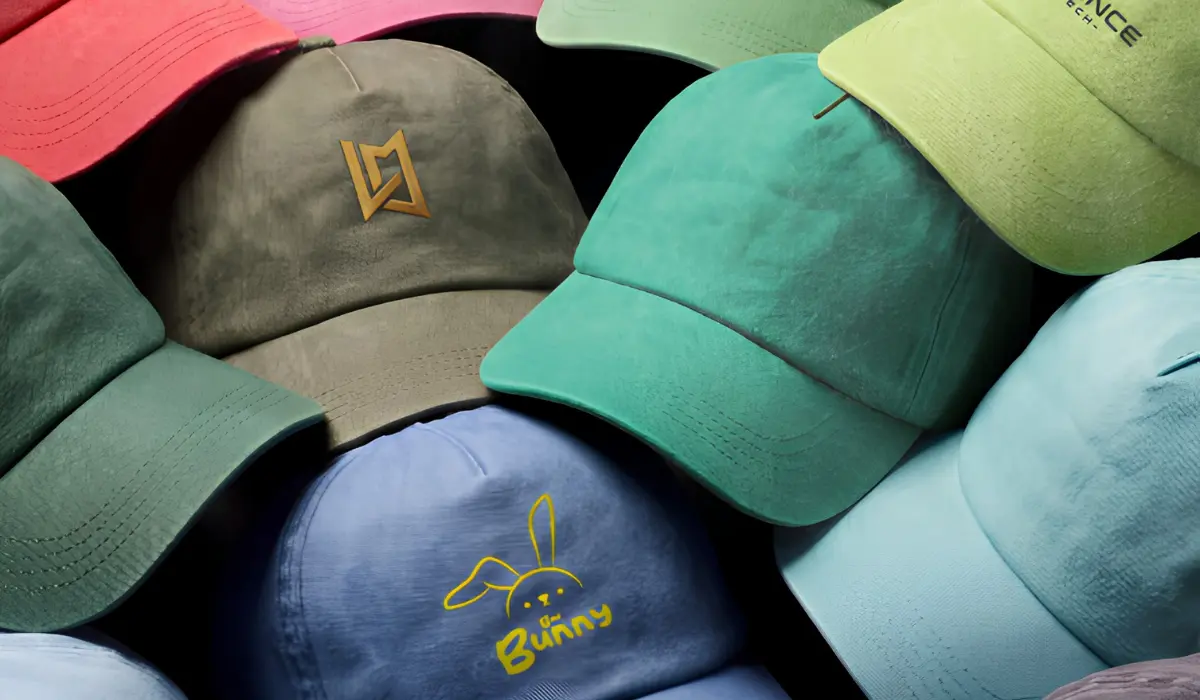
Apparel such as t-shirts, hoodies and caps, drinkware such as bottles and cups, tote bags and tech accessories are consistently among the most popular, because they are practical and people use them often.