The first step in creating eco-friendly promotional products is to select items that people use and keep. Nine out of ten consumers can recall the branding on a promotional product they’ve received, so the key is to make that impression memorable. The material you choose shapes how long it lasts and its impact, and there are more environmentally friendly options than ever.
Eco-friendly options also cut down on single-use plastic and waste, which is exactly what reusable merch helps replace. This guide walks through the eco-friendly materials to look for, the certifications that back up a claim, the product ideas people use, and how to spot greenwashing before it reaches your brand.
What Are Eco-Friendly Promotional Products?
Eco-friendly promotional products are items made and used in ways that reduce harm to the environment. They include steel bottles, recycled totes, and bamboo pens, which can all be sustainable.
What makes them sustainable depends on the materials, how the item is made, how long it lasts, and whether people use it. Even if a product has a green label, it is not sustainable if it is never used.
What Makes a Promotional Product Genuinely Sustainable?
Real sustainability depends on three things working together: lighter materials, suppliers who can show where and how the items are made, and a design people want to use.
When all three line up, the merch promotes your brand and respects the planet. When one is missing, the green claim falls apart.
Who Orders Eco-Friendly Promotional Products?
Eco-friendly promotional products suit any team that wants its merch to reflect the brand’s values. Several teams reach for them in particular.
- Marketing and events teams: They want giveaways people find useful, so the brand travels home with them and stays part of daily life.
- People and culture teams: They choose them for onboarding kits, staff gifts, and welcome packs that show real thought.
- Procurement: They look for suppliers who can prove their claims and stand behind what they sell.
- Sustainability leads: They want merch that matches the company’s environmental goals.
A brand that stands for sustainability needs merch that proves it. Eco-friendly promotional products bring those values to life.
Sustainable Materials Guide
The right material depends on the product. Some come from fast-growing plants, others are made from recycled waste, and each works best for certain items. This guide covers what each one suits and what to look out for.
Bamboo
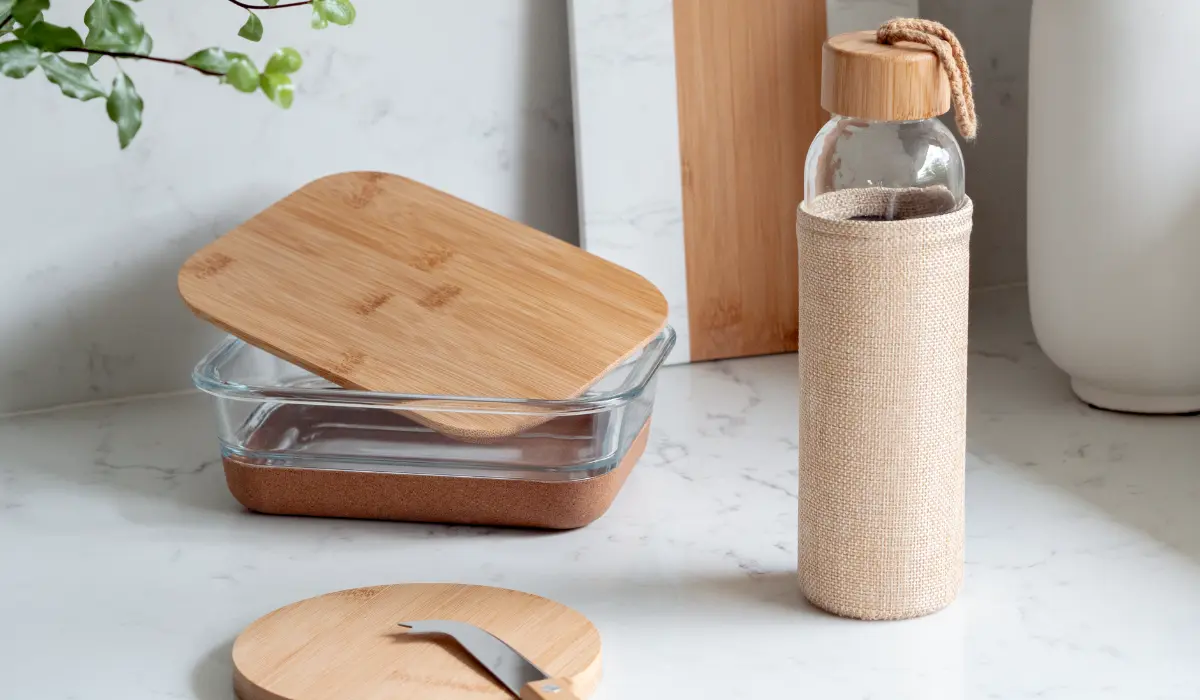
Fast growing and renewable. Good for pens, cutlery, and desk items. It breaks down at the end of its life. Make sure any coating or metal hardware is low-impact too.
Organic and Recycled Cotton
Best for tees, totes, and caps. Organic cotton grows without harsh chemicals. Recycled cotton reuses fabric scraps and saves water. The GOTS mark confirms cotton is organic.
rPET (Recycled Plastic)
Made from used plastic bottles. Strong and practical for bags, jackets, umbrellas, and lanyards. It keeps plastic out of landfill and gives it a second life.
FSC-Certified Wood
Comes from forests that are looked after with care. Good for pens, awards, boxes, and badges. The FSC mark shows the wood was sourced in a responsible way.
Cork
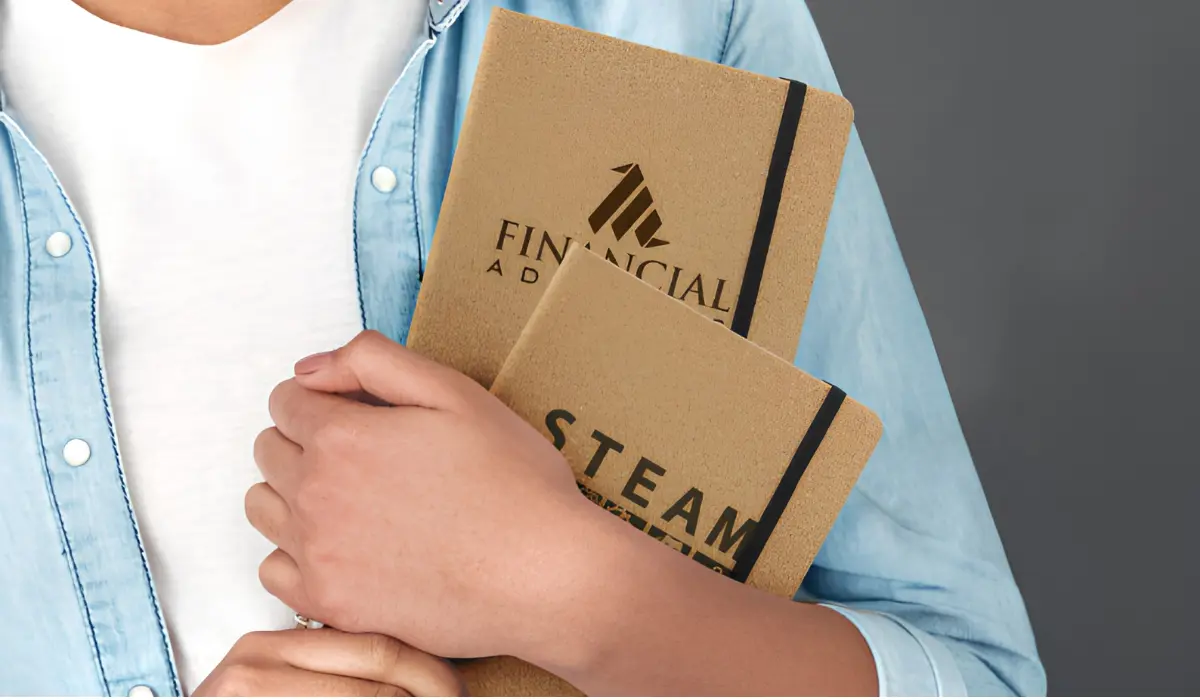
Harvested from the bark of cork oak trees without cutting them down. Works well for coasters, notebooks, and tech cases. Light, natural, and renewable.
Wheat Straw
Made from the part of the wheat crop left after harvest. A smart use for bottles, lunch boxes, and tech items. It turns a by-product into something useful.
Soy Wax
A cleaner burning option than paraffin for candles. It comes from soybeans, so it is renewable. A good pick when candles are part of your range.
Certifications That Back Up the Claim
Anyone can call a product green, and that word gets stamped on all sorts of things. Certifications are what turn a claim into proof, because an independent organisation has tested the product and confirmed it meets a real standard. A few come up again and again in merchandise, and each one is worth knowing.
- GOTS (The Global Organic Textile Standard): It confirms organic fibres and clean, fair production for fabric and apparel.
- FSC (The Forest Stewardship Council): It shows wood and paper came from well-managed forests.
- GRS (The Global Recycled Standard): It checks recycled content and tracks it through the supply chain.
- Fairtrade: It confirms fair pay and safe conditions for the people who made the product.
- B Corp: A company level badge. It shows the business meets high standards for social and environmental care.
- Carbon Neutral: It means the maker has measured its emissions and balanced them, often through verified projects.
Ask your supplier which marks apply. If a product is sold as green with no proof to back it up, be cautious.
Eco-Friendly Promotional Product Ideas
Once you know the materials, the product ideas fall into place. Aim for items that are practical, well made, and useful. The picks below are a handy go-to, each one chosen for its materials and its longevity.
Reusable Drinkware
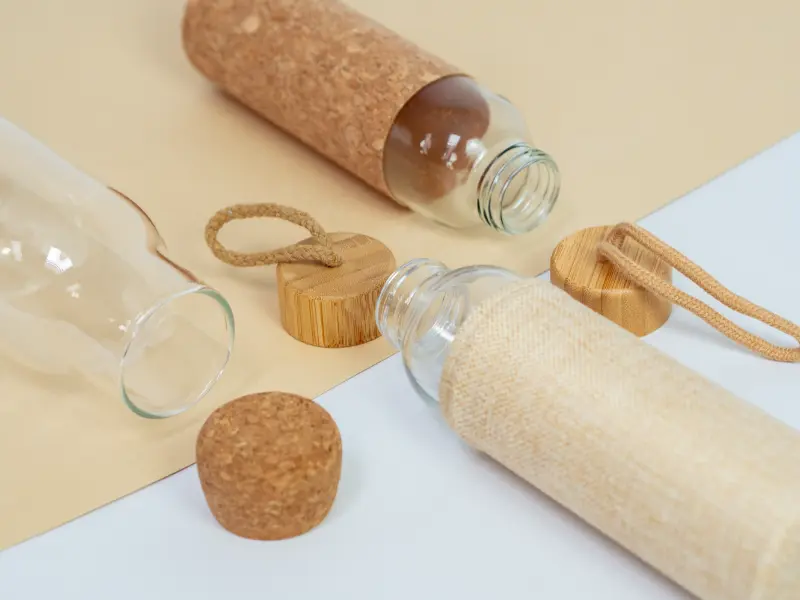
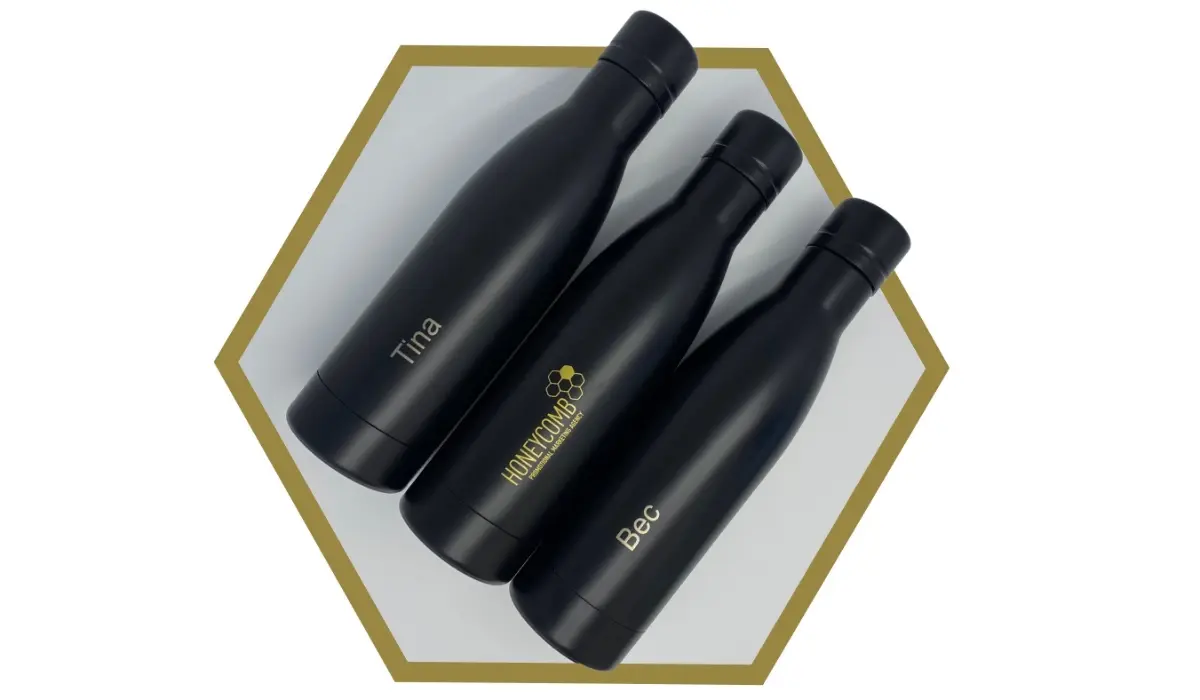
The highest impact pick. One good bottle or cup can replace hundreds of single-use ones. People carry them every day, so your brand goes wherever they go. Stainless steel, glass, and bamboo lids are all solid options.
Bags and Totes
A tote works as merch when it is made to use for years. “Organic cotton and rPET bags handle daily use and get reused for years. Skip the flimsy ones that tear after a few trips.
Apparel
Tees, caps, and hoodies in organic or recycled cotton. Choose quality people reach for again and again.
Tech Accessories
Bamboo wireless chargers, wheat straw phone stands, and rPET cases. Useful items that stay in daily use for a long time.
Notebooks, Stationery, and Pens
Recycled paper and stone paper notebooks, refillable inserts, and bamboo pens. Everyday items that keep your brand in view.
Kitchenware and Cutlery
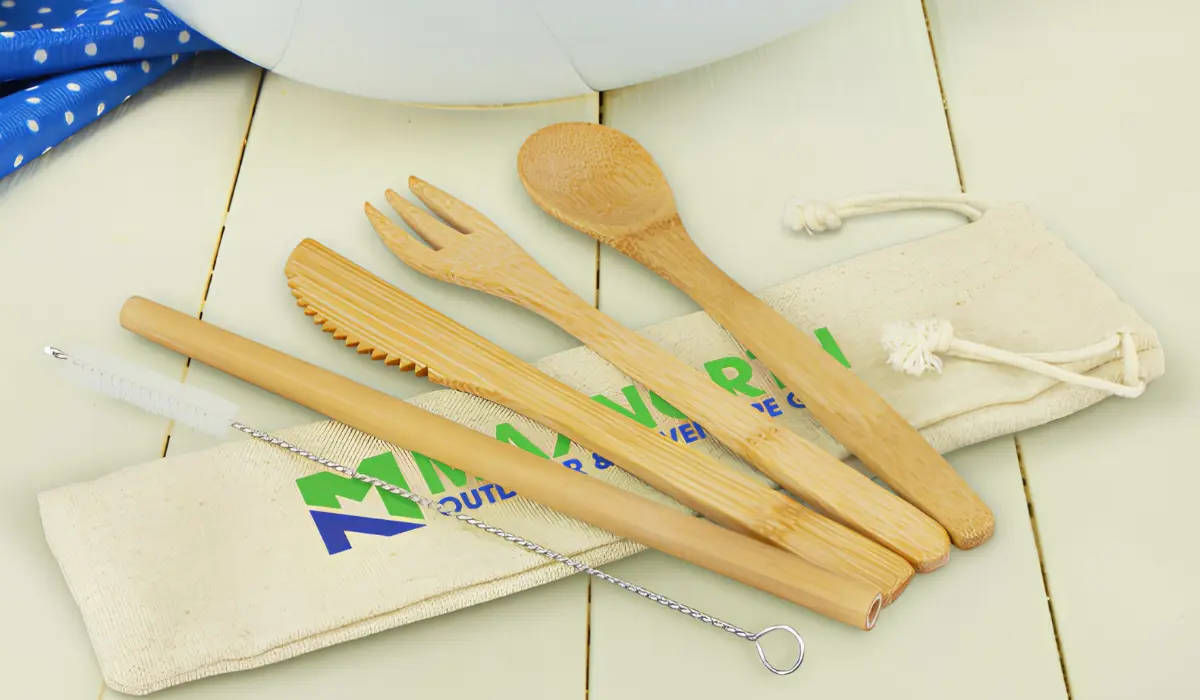
Bamboo cutlery sets and lunch boxes. They cut down on single-use plastic at work and on the go.
Seed Paper and Plantables
Cards, tags, and packaging that grow into herbs or flowers when planted. A small idea that people remember and enjoy.
Desk and Lifestyle
Cork organisers, soft throw blankets, and soy candles. Warm, useful pieces that stay part of someone’s home.
Why Usage Matters More Than Materials
The most sustainable item is simply the one that gets used. A recycled pen that no one touches is still waste, while a well-made bottle someone uses for years is worth far more.
Before you order, ask one simple question. Will people still use this in three months? When the answer is yes, you are on the right track.
How Does Your Item Compare on the Eco-Friendly Scale?
Promotional products sit on a sliding scale. On one end are single-use items that often end up in landfill. On the high-end of the scale are items that last longer, are used more, and can be recycled or reused. Here is how the two ends compare.
| Low end of the scale | High end of the scale | |
|---|---|---|
| Lifespan | Often used once or twice | Built to last, kept for months or years |
| Cost per use | High if it is thrown away fast | Low, spread over daily use |
| Brand perception | Neutral, sometimes seen as wasteful | Positive, aligned with your values |
| End of life | Landfill | Recyclable, compostable, or reusable |
The cheapest quote does not mean the best value. A product people use often gives you your money back and more. One that gets forgotten gives you nothing.
How to Avoid Greenwashing
Greenwashing is when a product looks green but the claim does not stand true. A common trick is a small amount of recycled content passed off as a big win. People are quicker to question eco claims now, and one with nothing behind it can make them doubt your brand.
Ask what percentage of the product is recycled, because the word alone means very little. Be clear about what the product is and is not.
Choose the Right Decoration Method
The decoration method shapes an eco product’s footprint too. Pad print and screen print are among the cleaner options, so they pair well with sustainable items. The best fit depends on the material, so it is worth getting advice from a merchandise expert, before you decide.
Why Locally Made Adds Impact
Choosing local or nearby-made products brings real benefits. Goods travel a shorter distance, which cuts transport emissions.
Local makers can often work under stricter standards for fair treatment of workers and for protecting the environment. Buying from them also keeps jobs in your area rather than overseas.
So when a local option is available, it can be a wise choice.
A Day with Eco-Friendly Promotional Products
Eco products quietly do their work throughout the day. In the morning, a steel bottle goes in the bag. At the desk, a bamboo charger tops up a phone while a recycled notebook takes the day’s notes.
Lunch comes in a reusable box with bamboo cutlery. After work, a cork coaster and a soft throw make the evening feel good. Every piece is quiet, practical, and in constant use, which is exactly what an eco merch should be.
Eco Merch in Action
We don’t just talk about sustainable merch, we deliver it. Our work has been recognised at industry level, including a Sustainable and Eco award, and we have built eco-friendly ranges for brands across Australia. Every project starts with the same question we ask you to ask. Will people keep and use this?
Build Your Eco-Friendly Merch Shortlist
Want merch people will keep? At Honeycomb, our team can help you read supplier claims, pick materials that last, and choose merch people use. Talk to us to build a shortlist, or browse our eco-friendly range to see the full range.
FAQs
What makes a promotional product eco-friendly?
It rests on the materials, how long the item lasts, how it is made, and whether people use it. The best eco-friendly promotional products score well on all four.
What is the most sustainable material for promotional products?
There is no single best material. What matters more is how often the item gets reused, so the most sustainable choice is the one people use the most.
Do eco-friendly promotional products mean sacrificing quality or creativity?
No. Sustainable ranges now cover most product types, and many match or beat standard options on quality and look. You do not have to choose between doing good and looking good.
How do I avoid waste when ordering promotional products?
Order in smaller runs, use pre-orders or a pop up store to match demand, and choose versatile items people will use. Less guesswork means less waste.