A logo that looks sharp on a leather notebook can look poor on a drink bottle. It is the same artwork, but a different result. The reason is usually the promotional product decoration method used to apply it.
There is no single best way to brand promotional merchandise. The right method depends on the item, the material, how detailed your artwork is, how many you need and when you need them. Get it right and your brand looks smart and high quality. Get it wrong and even a great logo can end up blurry, cracked or peeling. In fact, the silent persuasion study found even a simple branded item can shift how people see a company.
The main methods each have their strengths, and matching one to your product is what gets the best result.
Why the Decoration Method Matters as Much as the Product
Two brands can order the same tote bag and get very different results. One gets a crisp, full colour design, while the other’s logo looks patchy and thin. The bag did not change, but the method did.
Every method has a job it does best. Some suit bold designs and large runs, others suit fine detail or curved surfaces, and some give a lasting, textured finish that feels high quality the moment someone picks the item up.
Choosing well keeps the order simple, catches any artwork problems before production, and protects the finish, the timeline and the budget.
The Main Promotional Product Decoration Methods
Pad Print
Pad printing uses a soft silicone pad to pick up your design and press it onto the product. It is one of the most popular methods because it is low cost, fast in large runs and works well on curved or hard to reach surfaces that flat methods cannot handle.
- Best for: pens, stress items, novelty products, foam balls, smaller drinkware.
- Pros: low cost; fast at scale; great on curves and small areas.
- Cons: best for simple logos and a few colours. Not a good fit for fine colour blends.
Screen Print
Screen printing pushes ink through a fine mesh screen onto the product. It works on many items and gives bright, long lasting colour, especially over larger print areas.
- Best for: t-shirts, canvas and tote bags, larger flat surfaces.
- Pros: bold, bright finish; great value in larger runs.
- Cons: each colour needs its own screen, so designs with many colours cost more; not ideal for small runs.
Digital Print (Direct-to-Garment / DTG)
Direct to garment printing prints the design straight onto fabric, much like an inkjet printer, with no screens needed. It handles fine detail, colour blends and photo style artwork that screen printing cannot, and it needs little setup, so it is great for small runs.
- Best for: apparel with detailed or full colour artwork; small orders.
- Pros: full colour, including colour blends; no need for large minimum orders; fast turnaround.
- Cons: can fade sooner with heavy washing; costs more per item than screen print in bulk.
Digital Transfer (DTF)
Direct to film, or DTF, prints your artwork onto a special film, with a white base layer, which is then heat pressed onto the item. It gives sharp, full colour, detailed logos and works on cotton, polyester and blends, where screen printing would need too many screens.
- Best for: full colour or detailed logos on apparel, bags, and umbrellas; small to medium runs.
- Pros: sharp full colour; hard wearing; works on many fabrics.
- Cons: you can feel it slightly on the surface; the finish can vary by item, so check a sample.
Sublimation
Dye sublimation uses heat to turn the dye into a gas that sinks into the material. This gives bright, full surface, photo style colour that will not crack, peel or fade, and you cannot feel it on the surface. The catch is that it only works on polyester or poly-coated items, and it looks best on white or light colours.
- Best for: polyester sportswear (jerseys, singlets, netball dresses), mousepads, stubby coolers, lanyards, poly-coated mugs and bottles.
- Pros: full colour and photo style; covers the whole surface; lasting, with no feel.
- Cons: works on polyester or poly-coated surfaces only, not on plain cotton or bare metal.
Laser Engraving
Laser engraving etches your design into the surface of the product with a laser. The result is clean, subtle and long lasting. It will not rub off or fade over time. It is a popular choice for high-quality drinkware and anything made of metal, bamboo or timber.
- Best for: metal drink bottles, coffee tumblers, timber and bamboo items, metal torches, pens.
- Pros: lasting, high quality and textured; no colour to crack or peel.
- Cons: the mark shows the material’s natural tone, not a colour, so it cannot match a brand colour.
Embroidery
Embroidery stitches your design into the fabric with a machine and coloured thread. It gives a high quality, textured finish that lasts well and will not fade or wash out.
- Best for: polo shirts, caps, jackets, towels, workwear.
- Pros: high quality feel; very hard wearing; looks the part on good apparel.
- Cons: very fine detail and small text can be hard to stitch; priced by stitch count, so large logos cost more.
Emboss & Deboss
Embossing and debossing use heat and pressure to press a design into a surface, usually leather or PU. Embossing raises the design, while debossing presses it in. Either way, you get a subtle, high-quality result with no ink at all.
- Best for: leather journals, wallets, luggage tags, notebook covers.
- Pros: subtle, high quality, and textured; ideal for gifting.
- Cons: shows one tone, not colour; best for clean logo shapes, not detailed artwork.
Laser Cut
Laser cutting uses a laser to cut clean, exact shapes from a material. It is not really a print. It is a way to create custom shapes and finishes.
- Best for: plywood, perspex, custom shapes and signage parts.
- Pros: exact, clean edges; lets you make custom shapes.
- Cons: this shapes the item, so it is usually used together with another method for the branding itself.
Which Decoration Method Suits Your Product?
Use the table as a quick guide to the methods that tend to work best for each product. The final choice still comes down to your artwork, colours, quantity and budget, so treat these as strong starting points rather than the only option.
| Product | Recommended method(s) | Why |
|---|---|---|
| Metal drink bottles & tumblers | Laser engraving | Lasting, high quality, will not wear off |
| Plastic bottles / full colour drinkware | Pad print or screen print | Handles colour and curved surfaces at low cost |
| T-shirts (bulk) | Screen print | Bold, bright, best value at volume |
| T-shirts (detailed or small runs) | DTG or DTF | Full colour and blends without large minimums |
| Polyester sportswear (jerseys, singlets) | Sublimation | Full colour, full surface, lasting |
| Polos, caps, jackets, workwear | Embroidery | High quality, hard wearing finish for apparel |
| Tote & canvas bags | Screen print or DTF | Bold at volume; full colour for detail |
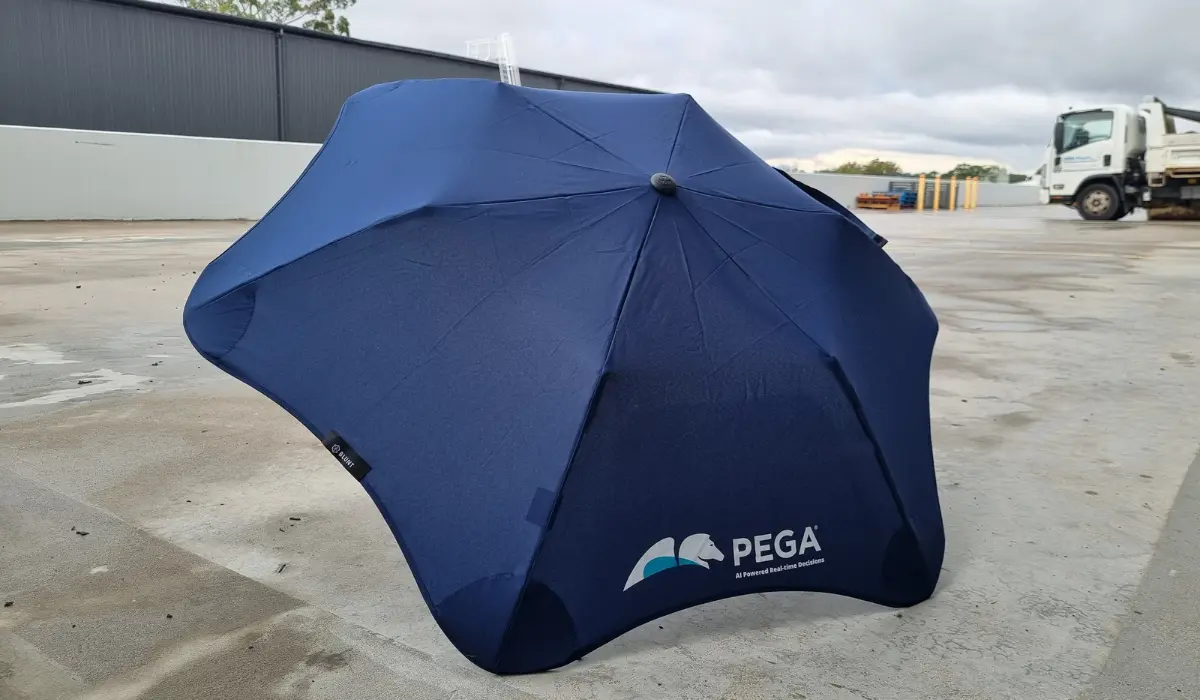
| Umbrellas | DTF / digital transfer | Sharp full colour on a tricky surface |
| Leather journals, wallets, luggage tags | Emboss / deboss or laser engrave | Subtle, textured, high quality |
| Pens, stress balls, novelty items | Pad print | Made for small, curved surfaces |
| Timber & bamboo items | Laser engraving | Natural, lasting, high end look |
| Perspex / plywood shapes & signage | Laser cut (+ decoration) | Exact custom shapes |
How to Choose: The Six Factors That Decide It
When you weigh up a decoration method, six factors do most of the work:
- Design complexity: Fine detail, colour blends or photo style artwork suit digital, DTF or sublimation. Simple logos with few colours suit pad print, screen print or engraving.
- Material: Polyester suits sublimation. Metal, timber and bamboo suit engraving. Leather suits embossing. Cotton works with screen print, DTF or embroidery.
- Colour: Do you need an exact brand colour match? Engraving and embossing show only one tone, so for ink-based methods, give a Pantone code to match your colour.
- Quantity and budget: Screen print and pad print are best value in larger runs. DTG, DTF and digital handle small runs with little setup.
- Timeline: Some methods need setup steps, such as screens or dyes, which add time. Digital and DTF are faster to produce.
- Durability: Engraving, embroidery, sublimation and embossing last the longest, because the finish becomes part of the product instead of sitting on top of it.
Getting Your Artwork Right
The method is only half the job. The artwork you send decides how good the final result looks.
- Vector vs raster. Send vector artwork (AI, EPS, or PDF) where you can. Vector can be made any size without losing quality. A low-quality JPEG or PNG can print blurry, or may need to be redrawn first.
- File formats. Vector is best for logos. Only use a high-quality raster image when you need a photo, such as some sublimation or DTF work.
- Pantone colour matching. Give your Pantone (PMS) codes so your brand colours come out the same across methods and runs. Remember engraving and embossing show one tone, so they will not match a colour.
- Set up details. Turn your fonts into outlines, leave clear space around the logo, and check the smallest size that still works for fine detail, especially for embroidery and pad print.
Not sure how your logo will look on an item? This is worth checking early. A quick review of your artwork and product can save a costly reprint later.
Get the Method Right Before You Order
The best finish starts with the right method for your product, your artwork and your order size. The quickest way to get there is to work with an agency that knows the options well. A good agency has strong supplier relationships, so it can match your branding to the right product, material, and method, spot any risks before the order goes to production, and help you avoid the mistakes that lead to reprints.
Book in a discovery call or send us your artwork and a short product brief, and we will point you to the method that makes your brand look its best, then take care of the rest.
For more on getting the most from your merch, see how to make promotional merchandise more effective and which promotional products deliver the highest ROI.
FAQs
What is the best decoration method for drink bottles?
For metal bottles and tumblers, laser engraving gives a lasting, high-quality finish that will not wear off. For plastic bottles or full colour logos, pad print or screen print is a better fit.
What is the difference between screen printing and pad printing?
Screen printing pushes ink through a mesh screen and suits larger, flat areas and bold colour in big runs. Pad printing presses a logo on with a silicone pad and is better for small or curved surfaces like pens and drinkware.
Can you print on polyester sportswear?
Yes. Dye sublimation is ideal for polyester and poly-coated items. It sinks the design into the fabric for bright, full surface colour that will not crack or fade, so it is the top choice for jerseys, singlets and sports gear.
What is the difference between DTF and screen printing?
DTF (direct to film) prints full colour, detailed artwork in one go and works on many fabrics, so it is better for detailed logos and smaller runs. Screen printing costs less for bold designs with few colours in larger runs.
Which branding method lasts the longest?
Laser engraving, embroidery, sublimation and embossing last the longest. None of them rely on ink sitting on the surface, so there is nothing to crack, peel or fade.
How do I prepare my logo file for promotional product printing?
Send vector artwork (AI, EPS or PDF) where you can, with fonts turned into outlines and Pantone colours listed. Send it with your product and we will confirm the best method and flag any artwork issues before production.