Personalised promotional products work because they tap into something deeply human – the desire to feel recognised, valued and in control. When done well, they don’t just create engagement in the moment, they build stronger brand connection, recall and long-term loyalty.
Why Fit In When You Were Born to Stand Out?”
“Why fit in when you were born to stand out?”
It’s a quote we’ve all seen, but it speaks to something real.
In today’s world, individuality isn’t just accepted — it’s expected. People want to feel seen, recognised and treated as more than just another name on a list.
That shift is exactly why personalised products and experiences are having such a powerful moment.
And in the world of promotional merchandise, it’s changing what works.
The Psychology Behind Personalisation
At its core, personalisation taps into a basic human need: to feel important.
Think about your own day. Most of what we do – at work or at home – is driven by a desire to contribute, to matter, to be recognised.
A personalised product sends a simple but powerful message:
“You matter.”
That might look like:
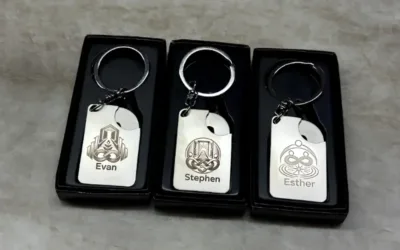
- A name engraved on a product
- A choice in colour, design or finish
- A product tailored to someone’s preferences
But beyond the surface, it goes deeper.
Personalisation also gives people a sense of control – something we’re all craving in a fast-moving, often overwhelming world.
As behavioural psychologist Liraz Margalit explains: Humans are happiest when they feel recognised as individuals and in control of their experiences.
That’s exactly what personalisation delivers.
Why Personalisation Works (Real-World Examples)
Some of the most successful brands in the world have built entire strategies around personalisation:
- Coca-Cola’s “Share a Coke” campaign
- Netflix recommendations tailored to viewing habits
- Amazon’s “You might also like” suggestions
- Spotify Wrapped
- Banking apps that personalise dashboards and insights
These aren’t just nice touches. They’re proven drivers of engagement, retention and brand preference. It works just as well in business. AV1 wanted client and staff gifts that felt personal instead of the usual generic ones. Moving to personalised gifting helped them build stronger relationships and made people remember the brand.
Practicality Matters Too
Personalisation isn’t just emotional – it’s practical.
When something is clearly yours, it’s:
- Easier to identify
- More likely to be used
- Less likely to be discarded
Think about:
- A drink bottle with your name on it
- A tote bag you chose yourself
- A hoodie customised with your initials
These aren’t just products.
They become personal items.
And that shift from “giveaway” to “owned item” is where the real value lies.
The Business Case for Personalised Promotional Products
Beyond the feel-good factor, personalisation delivers measurable results.
- Existing customers are far more likely to convert than new ones
- Loyal customers spend more over time
- Personalised experiences increase purchase likelihood
According to research:
- 80% of consumers are more likely to buy from brands offering personalised experiences
- 90% of consumers find personalisation appealing
When you combine emotional connection with practical use, you create something powerful:
Merchandise that people keep, use and remember.
Where Personalisation Works Best in Promotional Merchandise
Personalisation is especially effective when:
- You’re running events or activations
- You want to increase dwell time and engagement
- You’re creating onboarding or welcome packs
- You’re rewarding loyal customers or VIPs
- You want to stand out in a crowded environment
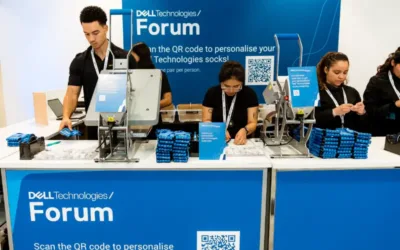
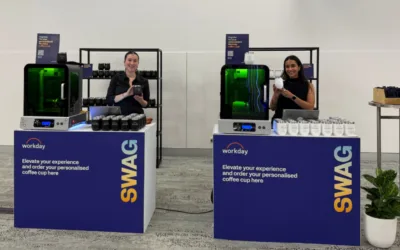
This is where live personalisation – engraving, embossing or heat transfer – becomes a game changer.
It transforms a passive giveaway into an experience people actively participate in.
Quick Guide: How to Get Personalisation Right
If you’re considering personalised promotional products, here are a few simple principles:
1. Make it relevant
Choose products people actually want and will use.
2. Keep it simple
Names, initials or small custom choices often work best.
3. Give some control
Let people choose elements like colour, placement or wording.
4. Focus on quality
A personalised low-quality product still gets discarded.
5. Think about the moment
Where and how the personalisation happens matters just as much as the product itself.
The Real Power of Personalisation
Personalisation works because it connects on multiple levels.
It speaks to identity.
It adds meaning.
It improves usability.
And importantly, it changes how people perceive your brand.
Instead of:
“Here’s something for everyone”
It becomes:
“This was made for you”
That’s a very different experience and one that people remember.
A Final Thought
Personalisation isn’t just a trend.
It reflects a broader shift in what people expect from brands.
More relevance.
More meaning.
More intention.
Earth Day might remind us to make better choices.
Personalisation reminds us to make more thoughtful ones.
And when those two ideas come together, you create merchandise that doesn’t just stand out…
It sticks.
Want personalised promotional products that truly resonate with your target audience or existing clients? Contact Honeycomb Agency for clever, creative solutions.
FAQs
What are personalised promotional products?
They are branded items that are customised for an individual, such as adding a name, initials or allowing the recipient to choose elements of the design.
Why are personalised products more effective than generic merchandise?
They create a stronger emotional connection, increase perceived value and are more likely to be kept and used.
Do personalised products cost more?
They can have a higher upfront cost, but often deliver better ROI through increased engagement, longer usage and stronger brand recall.
Where are personalised products most effective?
They work particularly well at events, activations, onboarding experiences and customer gifting campaigns.
What types of products can be personalised?
Common options include drinkware, apparel, notebooks, bags and tech accessories, especially items people use regularly.