
The benefits of personalised promotional products come from one simple idea. When a product carries someone’s name, initials or choices, it turns from a giveaway into a personal item and gives the brand behind it stronger engagement, better brand recall and longer-lasting loyalty.
This guide explains why personalisation works on promotional products, covering the psychology behind it, the most popular personalisation methods, live event ideas and the practical tips Honeycomb Agency uses with clients across Australia.
Key Takeaways
- Personalisation makes people feel recognised, which increases the value they place on a product.
- Personalised items are harder to throw away, so they give a brand longer exposure.
- Live personalisation at events increases dwell time, social sharing and lead capture.
- The strongest results come from quality products, simple options and a smooth guest experience.

What Is Personalisation in Promotional Products?
Personalisation in promotional products means making a branded item personal to the person who receives it by adding a name or initials, letting them choose a colour or finish, or creating a design around their preferences. The brand’s logo stays, but the product now belongs to them.
Common examples include
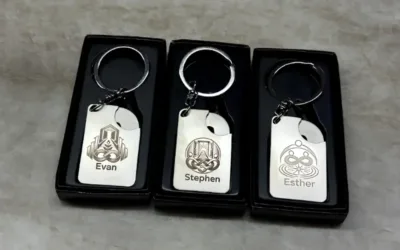
- A name laser engraved on a drink bottle
- Initials embossed on a leather notebook
- A tote bag decorated with patches the recipient selected
- A cap with a personal message applied by heat transfer
What Is the Difference Between Personalisation and Customisation?
Customisation adds your brand to a product. Personalisation adds the recipient. A drink bottle printed with your company logo is customised. The same bottle engraved with the recipient’s name is personalised. Both have value, but personalisation creates an individual connection that logo branding alone cannot.
| Customisation | Personalisation | |
|---|---|---|
| What changes | Logo, brand colours or a message that is the same for everyone | A name, initials or choices unique to each person |
| Best for | Large runs and brand awareness | Gifting, events, onboarding and loyalty |
| How the recipient sees it | A brand's product | My product |
The Psychology Behind Personalised Products
Personalised products work because they connect with basic human needs. People want to feel seen, they want some control over their choices, and they value things that belong to them.
The Need to Feel Recognised
Most of us want to feel that we matter, at work and at home. A personalised product tells the person who receives it that the brand sees them as an individual. Web psychologist, Dr Liraz Margalit, explains that people are happiest when they feel recognised and valued as individuals, and when they feel safe and in control of their experiences.
The Power of Control and Choice
Having a choice gives people a sense of control, which many of us want in a busy world. When someone picks the colour, font or placement of their personalisation, they become part of making it, and this makes them value the finished product even more.
Why We Value What We Own (The Endowment Effect)
The endowment effect means we value something more once we own it. In a well-known 1990 study, economists Daniel Kahneman, Jack Knetsch and Richard Thaler gave coffee mugs to some students.
Those with a mug asked for about twice as much to sell it as other students would pay to buy one. A personalised product makes this sense of ownership even stronger, because it is clearly theirs from the moment they receive it.
Why We Value What We Help Create (The IKEA Effect)
The IKEA effect means people value things more when they help make them. In a 2012 study, researchers Michael Norton, Daniel Mochon and Dan Ariely asked people to build IKEA boxes, fold origami and put together Lego sets.
The builders were willing to pay more for their own creations than other people were, and they saw their amateur work as almost as valuable as work made by experts. Live personalisation uses this effect, because guests who choose their own patches or design help create the final product.

5 Benefits of Personalised Promotional Products
The main benefits of personalised promotional products are a longer product lifespan, stronger brand recall, deeper loyalty, higher event engagement and better data capture.
1. Personalised Products Have a Longer Lifespan
A pen engraved with someone’s name is hard to part with. Personal products are easier to recognise, less likely to be thrown out and more likely to become part of someone’s routine. The longer a product lasts, the more often your brand is seen, for the same investment.
2. They Create Stronger Brand Recall
Every time someone sees their name on a product, they also see your logo. Personalisation creates an emotional response, which makes the brand easier to remember. Coca-Cola’s Share a Coke campaign is a well-known example that started right here in Australia.
In 2011, Coca-Cola replaced its logo on bottles and cans with the 150 most popular first names in Australia. This turned a familiar product into a personal one, and the campaign grew into one of the most recognised in modern marketing, expanding to over 120 countries.
3. They Build Loyalty With Clients and Staff
Personalised gifts show people that a relationship matters. For clients, a personalised item shows effort and care. For staff, it creates a sense of belonging. When AV1 wanted gifts with a personal touch for their clients and staff, Honeycomb created personalised gifting that helped strengthen those relationships.
4. They Drive Engagement at Events
Personalisation gives event guests a reason to stop at your stand. Watching their product being engraved or embossed builds excitement, and guests stay longer while they wait. This extra time gives your team a chance for real conversations. Guests also share their personalised items on social media, helping your brand reach people who did not attend.
5. They Open the Door to Data Capture
A personalisation station creates a fair trade. Guests are usually happy to share their name and email in return for a personalised product, which makes collecting leads simple. Only ask for the details you need, explain how you will use them and follow the Australian Privacy Principles.
The Business Benefits of Personalisation
Personalisation also brings real business results, and research shows the same pattern across many studies.
- 80% of consumers are more likely to buy from a brand that offers personalised experiences, according to a 2018 Epsilon study of 1,000 US consumers.
- 71% of consumers expect companies to offer personalised interactions, and 76% get frustrated when this does not happen, according to a 2021 McKinsey & Company report.
- 56% of consumers say they will become repeat buyers after a personalised experience, according to Twilio’s 2023 State of Personalization Report.
These studies look at customer experience in general, but the same idea applies to physical products. A personalised item is both meaningful and useful, which makes it easy to remember.
Popular Personalisation Methods and What They Suit Best
The best personalisation method depends on the product’s material, the look you want and whether the personalisation is done before or during your event. Here are the methods Honeycomb uses most often.
| Method | How it works | Best for | Suits live events |
|---|---|---|---|
| Embossing and debossing | Heat and pressure raise or press a design into the material | Leather, notebooks, luggage tags | Yes |
| Laser engraving | A laser marks a permanent design into the surface | Drinkware, metal, tech accessories | Yes |
| Heat transfer (HTV) | Heat applies a vinyl design to fabric | Clothing, tote bags, caps | Yes |
| Embroidery | Thread stitches a design into fabric | Clothing, caps, bags | Usually before the event |
Embossing and Debossing
Embossing raises a design above the surface of a material, while debossing presses it into the surface. Both use heat and pressure. They can be done without colour for a subtle look, or with metallic foil to make the design stand out. The result has a premium finish because it uses texture instead of colour. It works best on luggage tags, notebooks, wallets and leather accessories.
Laser Engraving
Laser engraving marks a design directly into the surface of a product. The design is permanent and will not peel, fade or wash off. It works on coated drinkware, metal, wood and many tech accessories, making it one of the most flexible options. It works best on water bottles, pens and desk items.
Heat Transfer (HTV)
Heat transfer vinyl uses heat and pressure to apply a design to fabric. It can create full-colour and detailed designs, and it is quick enough to use live at events. It works best on clothing, tote bags and caps.
Embroidery
Embroidery uses thread to stitch a name, initials or design into fabric. It is long-lasting, has a textured look and gives clothing a high-end finish. Because it takes longer than other methods, embroidery is often done before an event, not live.
Patch Stations
Guests pick from a range of ready-made patches and have them added to bags, jackets or caps. Patch stations are fun and hands-on, and they work best for younger and creative audiences.
Calligraphy and Hand-Lettering
A live artist personalises items with handwritten names or short messages. This suits premium and lifestyle-focused events where a handcrafted touch matters.
Sticker and Decal Stations
Guests customise laptops, drink bottles and notebooks with a range of stickers or decals. It is quick, low-pressure and a strong choice for large crowds.
Charm and Accessory Stations
Guests build their own item by adding charms, tags or accessories to keyrings, bags or lanyards. This suits fashion, lifestyle and youth-focused events.

Live Personalisation at Brand Activations
What Is Live Personalisation?
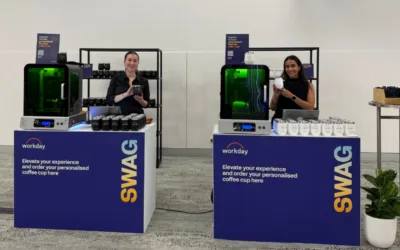
Live personalisation is the process of personalising products in real time at an event, activation or retail space. Instead of receiving a pre-made item, guests watch their product being engraved, embossed or decorated in front of them. This turns a giveaway into an experience and gives guests a story to share.
Dell Technologies Forum Case Study
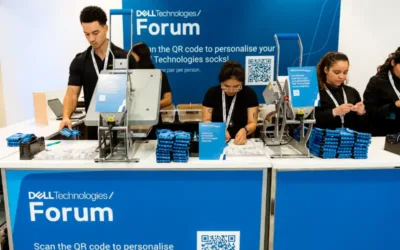
At the Dell Technologies Forum, Honeycomb partnered with PDK Events to run a live heat transfer activation across two cities. Guests personalised socks, a first for Honeycomb, using three heat transfer machines. Designs were pre-cut and prepared in the warehouse before each event, which kept wait times short and helped more guests receive a personalised item.
Conference Journal Activation Case Study
At the FAST Conference, Honeycomb ran a live embossing activation for Get Capital, personalising eco-friendly journals with each guest’s monogram. The journals have removable insides so they can be reused, which matched Get Capital’s focus on sustainability. Guests answered three short questions on a landing page to receive their journal, giving Get Capital new leads that went straight into its sales system.
Where Personalisation Works Best
Personalisation is most effective when the goal is engagement, connection or recognition. It works well in moments where people want to feel welcomed, valued or rewarded, and where a brand wants to be remembered. Here are the settings where personalised promotional products make the biggest impact.
Events and Trade Shows
Live personalisation brings more visitors to your stand and keeps them there for longer. In a busy exhibition hall, a working engraving or embossing station catches attention and gives people a reason to stop. It also gives your team more time to talk with guests and build real connections.
Staff Onboarding and Welcome Packs
Personalised welcome packs help new starters feel part of the team from their first day. A notebook, drink bottle or tote bag with their name on it shows that the company was ready for them and values them as a person. This simple gesture can build a sense of belonging and make a strong first impression.
Client and VIP Gifting
A personalised gift shows a valued client that the relationship is personal and appreciated. An engraved pen, embossed notebook or custom drinkware set with their name on it shows that you took the time to think about them. A thoughtful gesture like this helps build trust and keeps your brand top of mind for future work.
Loyalty and Reward Programs
Personalised rewards recognise loyal customers and give them something that is only theirs. A reward with their name or initials on it shows that the brand notices and values their support. This helps customers feel appreciated and gives them a reason to stay loyal.
Challenges to Plan For
Personalisation delivers strong results, but it needs planning. These are the most common challenges and how to manage them.
Cost and Budget
Personalising each item individually costs more per unit than bulk logo branding. To make the most of your budget, choose simple personalisation such as names or initials across the full range, or add one personalised item to each pack alongside your branded products.
Lead Times
Personalised orders need a little extra production time, as each item has its own proof and setup. Planning ahead and confirming names and details early helps everything run smoothly.
Throughput at Large Events
At busy events, good planning keeps the queue moving. Choose quick methods such as heat transfer or stickers, offer a small set of ready-made designs and have enough staff at the station during peak times.
Making Personalisation Meaningful
A name is only the beginning of real personalisation. It also reflects the recipient’s needs, interests and choices. When a well-made product is paired with a thoughtful personal touch, it becomes something people truly value and remember.

8 Tips for Successful Product Personalisation
1. Choose Useful, Relevant Products
Pick products that fit your audience’s lifestyle and daily work. The more useful a product is, the more often people will see their personalisation and your brand.
2. Keep the Options Simple
Names, initials or a small set of design choices work best. Fewer options help guests decide quickly and keep production running smoothly.
3. Give People Some Control
Let people choose one detail, such as the colour, placement or wording. Even a small choice makes the final product more personal to them.
4. Choose Quality Products
Personalisation adds value to a well-made product. Choose materials and finishes that match your brand standards, so every personalised item reflects the quality of your brand.
5. Pre-Prepare Wherever Possible
Preparing designs, setting out stock and planning each step ahead of time helps live stations run smoothly. It also keeps the quality of every item consistent.
6. Design for Throughput
Find the right balance between creative designs and the number of guests you expect. Know how many items your team can personalise each hour, then plan your staff and designs to match.
7. Map a Clear Customer Flow
Plan every step of the guest’s visit, from the welcome to choosing their item, watching it being personalised and collecting it. Clear signs and a visible queue help guests know what to expect.
8. Use “Data in Exchange” Strategically
Ask guests to complete a short sign-up or scan a QR code before their item is personalised. A quick, simple form keeps the experience easy and enjoyable for everyone.
Make Your Next Promotional Product Unforgettable
Personalisation works because it connects with who people are, adds meaning and makes products more useful. It changes how people see your brand, from “here’s something for everyone” to “this was made for you.” This difference is what people remember.
Honeycomb Agency creates personalised promotional products and live personalisation experiences for brands across Australia. From engraved gifts for clients to interactive stations at events, our team can help you create products people will value and remember.
Ready to start your next project? Contact our team to plan your personalised merchandise, or explore our range of personalised promotional products.
FAQs
What are the benefits of personalised promotional products?
The benefits of personalised promotional products include a longer product life, stronger brand recall, deeper loyalty with clients and staff, more engagement at events and easier lead collection. Adding a personal touch makes a branded item more valuable to the person who receives it, which helps keep your brand in sight for longer.
What are personalised promotional products?
Personalised promotional products are branded items made personal for the person who receives them. They usually include a name, initials or a chosen design next to the brand's logo. Common examples include engraved drink bottles, embossed notebooks and embroidered clothing.
Why are personalised products more effective than generic merchandise?
Personalised products work well because they make people feel recognised. People value items that belong to them, so personalised merchandise is less likely to be thrown away and more likely to be used often. This means more people see your brand over time.
What is the difference between personalised and customised merchandise?
Customised merchandise shows your brand, such as a logo printed the same way on every item. Personalised merchandise is made for each person, such as a name engraved on a bottle. Customisation helps more people know your brand, while personalisation builds a personal connection with each one.
Do personalised promotional products cost more?
Personalised promotional products usually cost a little more per item because each one is decorated on its own. They also last longer and get more attention, which often means better value overall. To make the most of your budget, you can choose simple personalisation such as names or initials, or add one personalised item to each pack alongside your branded products.
Which personalisation method suits which product?
Laser engraving works best on metal, coated drinkware and tech accessories. Embossing and debossing work best on leather and notebooks. Heat transfer and embroidery work best on clothing, caps and bags. The right method depends on the material, the look you want and whether the personalisation is done before or during an event.
What is the difference between embossing, engraving and heat transfer?
Embossing and debossing use heat and pressure to create a raised or pressed design in a material. Laser engraving marks a permanent design into the surface. Heat transfer uses heat and pressure to apply a vinyl design to fabric. Each method creates a different look and works best on different materials.
What is the difference between embossing and debossing?
Embossing raises a design above the surface of a material, so it stands out and can be felt with your fingers. Debossing presses the design into the surface, creating a sunken effect. Both use heat and pressure and work well on leather, journals and luggage tags. Embossing gives a bold, raised look, while debossing gives a subtle, refined finish.
What is live personalisation at events?
Live personalisation means personalising products on the spot at an event or activation. Guests watch their item being engraved, embossed or decorated in front of them, which turns a giveaway into a fun, hands-on experience.
How long does live personalisation take per item?
Most live personalisation methods take only a few minutes per item. For example, Honeycomb's team can emboss around 400 items in an 8-hour activation. Heat transfer and stickers are the quickest, while engraving and calligraphy can take a little longer depending on the design.
Is live personalisation suitable for large events?
Yes. Live personalisation works well at large events when the station is planned for the number of guests you expect. Ready-made designs, quick methods and enough trained staff help keep the queue moving.
Can live personalisation help with lead generation?
Yes. Guests are usually happy to share their contact details in return for a personalised product. Adding a short sign-up form or QR code to the station helps turn interested guests into new leads.
Where are personalised products most effective?
Personalised products work best at events and trade shows, in staff welcome packs, as client and VIP gifts and in loyalty programs. They are most effective in any situation where people want to feel recognised and connected.