Promotional merchandise works best when it connects to a clear idea. A thoughtful branded merchandise strategy ensures each item supports a message, fits the moment, and contributes to a cohesive brand experience.
What a Branded Merchandise Strategy Looks Like in Practice
Promotional merchandise works best when it connects to a clear idea.
Many brands use promotional merchandise to increase visibility at events, campaigns and corporate touchpoints. But the most effective results don’t come from the product alone – they come from how well that product supports a broader message.
This is where a clear branded merchandise strategy makes the difference.
When merchandise is designed around a theme, message or moment, it becomes more than a standalone item. It becomes part of a cohesive brand experience.
What Is a Branded Merchandise Strategy?
A branded merchandise strategy is the intentional approach to selecting, designing and delivering merchandise so it supports a broader brand, campaign or business goal.
Rather than choosing items in isolation, brands consider:
- The message they want to communicate
- The audience receiving the item
- The context or moment of delivery
- How the item will be used over time
This ensures every piece of merchandise plays a role in reinforcing the brand.
What Is Themed Merchandise?
Themed merchandise is a key part of an effective branded merchandise strategy.
It refers to promotional merchandise designed around a central idea or message.
Instead of selecting products individually, each item is chosen because it reinforces what the brand wants people to remember.
For example:
- An umbrella used in a campaign about protection or planning
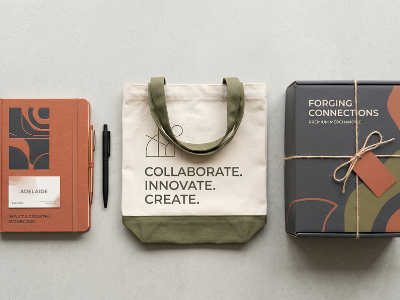
- A notebook connected to ideas, creativity or innovation
- A plant kit symbolising growth or new beginnings
When the product and the message work together, the result feels intentional, cohesive, and aligned.
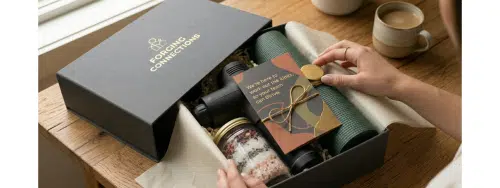
Why Themed Merchandise Creates Stronger Brand Impact
1. It Reinforces the Brand Message
Promotional merchandise becomes more effective when it supports a broader campaign or positioning.
If a brand is focused on innovation, items that encourage creativity or productivity strengthen that message.
The merchandise becomes another communication channel, not just a branded object.
2. It Creates a Clear and Memorable Story
People remember stories more easily than individual items.
When merchandise is connected to a theme or narrative, it becomes part of a larger experience.
This is why band merchandise works so well. A simple t-shirt becomes meaningful because it represents identity, belonging and a shared moment.
The same principle applies to branded merchandise.
3. It Fits the Moment
The most effective merchandise feels appropriate to when and how it’s received.
For example:
- A drink bottle at a wellbeing event
- A notebook at a leadership workshop
- A tote bag at a conference
When the item fits the moment, it becomes more useful and more likely to be kept and used.
A Simple Framework for Branded Merchandise Strategy
A practical way to approach branded merchandise is to ask three key questions:
1. What message do we want to reinforce?
2. When will people receive this item?
3. How will they use it afterwards?
This framework helps ensure that merchandise decisions are aligned with the overall brand strategy.
From Standalone Item to Brand Asset
Without a clear strategy, merchandise often exists as individual items.
With a strong branded merchandise strategy, those same items become connected brand assets.
They:
- Reinforce messaging
- Support campaign objectives
- Create more memorable experiences
- Continue working long after the initial interaction
This is where promotional merchandise delivers its greatest value.
Want More Branded Merchandise Ideas?
If you’re planning an event, campaign or client initiative, we’ve put together a guide with 30 buzzworthy branding ideas and messaging examples.
Each idea pairs a promotional item with a simple phrase designed to make the merchandise more memorable.
To access the guide, simply complete the form below and we’ll send it through to your inbox.
30 Ways To Wow With Merch
Grab our guide packed with merch and creative taglines.
30 Buzz-Worthy Promo Picks (Blog Lead Magnet)
Turning Strategy Into Something Tangible
A strong branded merchandise strategy is one thing – bringing it to life is another.
At Honeycomb, we work closely with our clients to understand their audience, message and goals before shaping ideas that feel considered, cohesive and aligned. From campaign concepts through to production, our role is to make the process straightforward and the outcome something your brand can be proud of.
If you’re exploring how merchandise could support your next campaign or event, we’re always happy to talk it through. Speak with our Merch Matchmakers today.
FAQs
How can schools or education organisations use branded merchandise effectively?
Schools often benefit from merchandise that reinforces community, identity and pride. Items like apparel, drink bottles or notebooks work well when paired with messaging around belonging, growth or achievement. The key is choosing pieces that students, staff or parents will use regularly, so the brand remains present in everyday moments.
How should merchandise change if your audience is primarily female?
Rather than focusing on gender alone, it's more effective to consider lifestyle and preferences. For many female-led audiences, thoughtful design, practicality and quality tend to matter more than novelty. Items that integrate seamlessly into daily routines such as drinkware, wellness products or well-designed accessories - often perform well when paired with a clear and relevant message.
What works best for Gen Z when it comes to branded merchandise?
Gen Z audiences tend to value authenticity, usability and design. Merchandise that feels current, visually appealing and aligned with personal identity is more likely to be kept. Sustainability, customisation and subtle branding also tend to resonate more than overt promotional items.
How does branded merchandise work in industries like mining or construction?
In more practical industries, merchandise is most effective when it supports the realities of the work environment. Durable, functional items such as work gear, drinkware or safety-related products tend to perform well. Messaging can focus on reliability, safety or teamwork, ensuring the merchandise feels relevant rather than purely promotional.
How do you choose the right promotional merchandise for your brand?
The most effective approach is to start with the message rather than the product. Consider what you want people to remember, when they will receive the item, and how they will use it afterwards. From there, it becomes much easier to select merchandise that feels aligned, useful and intentional.