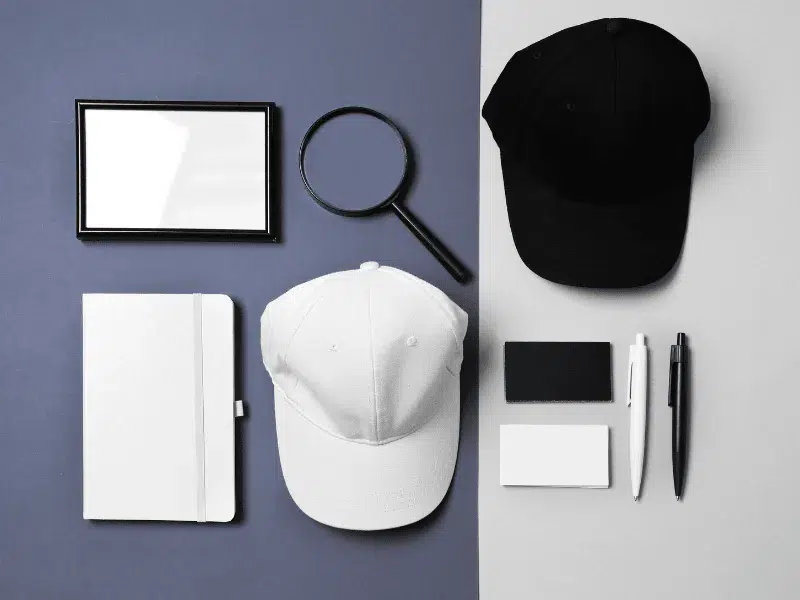
When done right, branded merchandise can become your brand’s most powerful connector. A well-chosen item doesn’t just sit in a drawer, it travels, sparks conversation, and keeps your brand top of mind for months (sometimes years).
But like any great marketing tool, there’s a strategy behind successful promo products. And when that strategy is overlooked, even the most well-intentioned merch can miss the mark.
Let’s explore some of the most common promotional product mistakes we see and how you can avoid them to create more impact, engagement, and brand love.
Before You Order: Set the Right Foundation
Before we get into what not to do, let’s take a moment to focus on what to plan for because the most effective branded merch doesn’t happen by accident.
Whether you’re launching a new product, welcoming new team members, or showing appreciation to clients, intentionality is what turns merchandise into a memorable experience. The most successful campaigns consider not just what is being given, but why, how, and to whom.
Every touchpoint from product selection and design to packaging, timing, and delivery should align with a larger purpose: To create meaningful connections that people remember.
Ask yourself before ordering:
-
- Is this merch clearly communicating our brand’s message?
- Will it feel thoughtful and relevant to the person receiving it?
- Does the unboxing or presentation reinforce the experience we want to deliver?
When you approach branded merch as more than a giveaway when you see it as a brand experience you open the door to stronger engagement, better results, and a deeper emotional impact.
So as you explore the common pitfalls ahead, keep your brand’s big picture in mind. Because great merchandise doesn’t just look good it feels right.
1. Obsessing Over Impressions Instead of Experience
A common trap: focusing on quantity over quality. It’s easy to get excited by the idea of handing out 1,000 tote bags or stress balls at an event; but what happens next? Most likely, they’ll get left behind, tossed in a drawer, or forgotten entirely.
When you focus only on how many people will see your merchandise, rather than how it will feel to receive or use it, you risk becoming noisy in an already crowded space.
What to do instead:
Focus on usefulness and emotional connection. The right product given to the right person, in the right moment has a much higher chance of being kept and remembered.
Consider items that will seamlessly integrate into daily routines or solve a small but meaningful problem. A beautifully designed notebook, a durable lunch bag, or a versatile tech gadget will get far more mileage than items that end up forgotten in a drawer or the bin.
2. Choosing Cheap Over Quality
Trying to stretch a budget is understandable but if you cut corners on quality, your merchandise might not just underperform… it could actually damage your brand reputation.
Flimsy drink bottles, easily broken pens, or poorly decorated designs leave recipients with a sense that your brand doesn’t invest in quality for them. Promotional items represent your business. If the product doesn’t last, the impression won’t either.
What to do instead:
Be strategic with your spend. You don’t have to go premium across the board, but you can create a layered kit: include one or two high-impact “hero” items, supported by thoughtful, more affordable accessories. For example, a quality insulated tumbler could be the standout piece, paired with a printed coaster or snack item to complete the package.
3. Ignoring the Message and Design
Too often, businesses focus only on adding their logo and forget to consider how the product design supports the larger brand message. The result? A bland or confusing item that doesn’t reflect your identity or campaign goals.
Bad colour choices, overstuffed layouts, or awkward logo placement can make even a good product feel like a missed opportunity.
What to do instead:
Think beyond the logo. Ask: What do we want this piece to communicate? Consider your brand colours, fonts, tone of voice, and the product’s natural aesthetic. If your brand is clean and minimal, opt for understated elegance. If you’re playful and bold, don’t be afraid to go loud with colour and messaging.
Always request a digital mock-up or, if time allows, a physical sample. These small steps in the approval process help ensure your merch not only looks great but tells the right story.
4. Overlooking Packaging and Delivery
The experience doesn’t start when someone has opened the gift, it starts the moment they receive it. That’s why packaging isn’t just about protection, it’s about presentation.
An amazing product in a plain mailer with zero context feels impersonal and forgettable. It tells the recipient, “We just needed to tick a box.”
What to do instead:
Treat packaging like it’s part of the product itself. Even the smallest touches like branded tissue paper, a custom thank-you card, or a clever message on the box can elevate the entire experience.
If the delivery is part of an event or onboarding process, consider how it fits into the journey. Is there a QR code that links to a video? A campaign hashtag? A personalised message? These little details create memorable moments that your audience will want to share.
5. Forgetting to Connect the Product with the Brand
Just because something is trendy doesn’t mean it belongs in your brand’s hands. A product may be cool or popular, but if it doesn’t connect with your brand’s purpose, values, or audience it becomes a disjointed experience.
For instance, a luxury skincare brand handing out stress balls? It just doesn’t align.
What to do instead:
Start with your brand values and audience needs. If you’re an eco-conscious brand, choose sustainable or biodegradable items. If your brand revolves around tech innovation, think wireless gadgets, screen cleaners, or cable organisers. When the product naturally fits your story, it becomes more than a giveaway it becomes a conversation piece.
Ask: Does this item feel like “us”? Would our audience actually use this? If the answer is no, keep searching.
6. Ignoring Timing and Lead Times
We’ve all seen teams scrambling at the last minute to get promo items in for an event or campaign, only to face limited options, rushed production, expensive express shipping, or worse missed deadlines.
Rush jobs also leave no room for quality checks, proper design approvals, or packaging enhancements.
What to do instead:
Think ahead. Ideally, plan your promotional product order at least 3–4 weeks in advance more if it’s a peak season like December. Allow time for design mock-ups, feedback rounds, production, and delivery.
If you’re not sure about timelines, talk to your supplier early. A good merch partner can guide you through the process and flag any seasonal cut-offs or production delays before they become a problem.
7. Not Considering the User Experience
Even a high-quality product can flop if it’s not usable or relevant. A shirt with poor sizing, a tote that’s too small to carry anything useful, or a bottle that leaks these issues make people leave your merch behind.
And when it’s not used, it’s not working.
What to do instead:
Put yourself in the recipient’s shoes. Ask: Is this product intuitive? Is it comfortable to wear or carry? Will it fit into their daily life? Think about size, shape, and function.
You don’t have to reinvent the wheel but you do need to choose items that feel natural and thoughtful. When someone uses your merch regularly, they’re carrying your brand with them. That’s the goal.
8. Treating Merchandise Like a Transaction, Not a Touchpoint
It’s easy to treat branded merch as a tick-box exercise: “We need something to hand out at the event.” But that mindset misses the true potential of promo products.
Merch isn’t just stuff, it’s storytelling. It’s a brand touchpoint with the power to build emotion, inspire loyalty, and spark action.
What to do instead:
Think of your merchandise like you would any other marketing campaign. What’s the story behind it? How does it fit into the bigger picture? What should the recipient feel, do, or remember?
Whether it’s part of an onboarding kit, a client thank-you gift, or an event giveaway, make sure it’s intentional. Every detail from the item itself to how it’s delivered should reflect who you are as a brand.
After the Order: Keep the Momentum Going
Your merch is out in the world. But the journey doesn’t end once the items are packed and delivered. In fact, this is where the real impact begins.
Promotional merchandise has the power to create ongoing engagement, brand love, and social buzz but only if you continue to nurture the experience. So instead of ticking the box and moving on, ask: How can we maximise the value of what we’ve just delivered?
Capture the moment:
Encourage your team, clients, or recipients to document their unboxing experience. Whether it’s an internal onboarding kit or an external campaign giveaway, these real-life reactions are gold for your brand story. Use behind-the-scenes videos, staff features, or customer posts to build hype and credibility.
Ask for feedback:
Create space for conversation. Send a quick follow-up survey or message asking:
-
- Did you like the items?
- What stood out to you?
- Would you use this again?
This doesn’t just help you improve next time it shows your audience that you care about their experience.
Amplify on social media:
Branded merch can create brilliant user-generated content. Include campaign hashtags, branded cards, or even a note that encourages recipients to share online. Every post becomes a mini billboard for your brand.
Track performance:
If you’re not tracking, you’re missing insights. Consider adding:
-
- A QR code that links to a special landing page or campaign video
- A discount code for recipients to redeem
- A short URL that leads to an interactive experience
- A hashtag to monitor reach and engagement on socials
All of this gives you real data on what worked, how it landed, and how to evolve the experience for next time.
Ready to rethink your merch strategy?
Book a call with our team and let’s make your next campaign unforgettable.